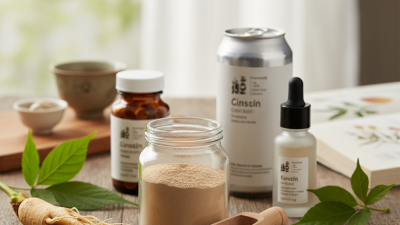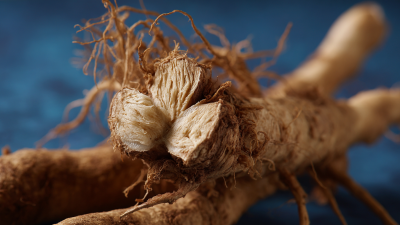
Lately, there's been a real surge in demand for Ginseng Extract. It's no wonder—people have always looked to this revered herbal remedy for its many health perks. International buyers are on the hunt for top-quality products to meet their needs, and that’s pushed the market even further.
A lot of companies are now focusing on producing high-quality Ginseng Extract Powder. But here’s the thing—these products really need to come from trusted sources if you want them to be effective and safe. Quality control is pretty much key to building trust in such a competitive scene. Sure, some lesser-known brands might claim they can deliver, but you’ve got to be careful—don’t just buy into the hype.
Honestly, the whole landscape is full of potential, but it can also be pretty overwhelming. Finding the right supplier isn’t always easy. Doing your homework—checking out reputable certifications and reviews—can make a big difference. As the market keeps changing, it’s super important for buyers to weigh their options carefully and not rush into anything without proper research.

Choosing the right ginseng extract is crucial for maximizing its benefits. In 2026, several factors will guide global buyers in making informed decisions. One key consideration is the source of the ginseng. Different regions produce varying qualities, notably Korean and American ginseng. Research the growing conditions, as these influence potency.
Another element to weigh is the extraction method. Methods can significantly impact the concentration of active compounds. For instance, water extraction may yield lower potency than alcohol extraction. Always check for labels that specify the extraction technique used.
**Tips:** Look for third-party testing to ensure quality. Certifications can indicate reliability. Check for recent reviews from verified users to understand product effectiveness. Explore the specific health benefits you’re seeking, such as energy boost or immune support.
Formulation is also important. Some products blend ginseng with other herbs or nutrients. These combinations can enhance benefits but may lead to adverse reactions. Be cautious, and consult a healthcare professional if unsure. Remember, not all ginseng extracts are created equal, and it's worth doing thorough research before making a choice.
Ginseng is revered globally for its potential health benefits. Various ginseng types provide unique properties. Asian ginseng, often known as Panax ginseng, is widely recognized for boosting energy levels and enhancing immunity. American ginseng, in contrast, is favored for its calming effects. Consider exploring these two primary varieties for their individual benefits in your wellness routine.
When selecting ginseng, it’s essential to prioritize quality. Look for extracts with a high concentration of ginsenosides, the active compounds in ginseng. Authenticity is key; ensure the source is reputable. You may find that not all ginseng products meet high standards, so patience in your selection process is necessary. Additionally, consider the form of ginseng that suits your lifestyle, whether in capsules, teas, or powders.
Tips: Always consult with a healthcare professional before starting any new supplement. Monitor how your body responds to ginseng, and keep a journal of any changes you experience. This approach can help you assess its efficacy over time and modify usage if needed.
When searching for high-quality Ginseng Extract, consumers should focus on several key factors. Authenticity is vital. Genuine Ginseng Extract often comes from reputable sources known for their cultivation practices. Inspect the origin of the ginseng. Korean and American varieties are popular, but quality can vary.
Extraction methods greatly influence the potency. Look for extracts labeled as water or alcohol extraction. These methods retain active compounds better. Additionally, check for standardization. A good extract should contain specific concentrations of active ingredients, like ginsenosides. Without this, the effectiveness remains uncertain.
Testing is crucial. Reliable products usually undergo third-party testing. Certifications ensure safety and quality. Be cautious of overly aggressive claims about benefits. Some products exaggerate effects or fail to mention potential side effects. Research is important. Read user reviews and expert opinions to make informed choices.
The ginseng extract market is evolving rapidly, with numerous brands vying for leadership position. Consumers are drawn to products that boast high potency and proven efficacy. Market leaders often emphasize sourcing practices. They rely on reliable farmers, ensuring quality from the root to the shelf. Transparency in production processes is becoming vital for credibility.
Choosing the right ginseng extract can be challenging. Look for third-party testing and certifications. This will provide assurance of the product's quality and safety. Each extract type has different benefits. Some are better for energy, while others may enhance focus. It’s crucial to understand the specific needs before selecting.
For buyers, it is wise to explore emerging brands alongside established names. Smaller companies may offer unique formulations. They often prioritize sustainability and ethical practices. These factors are gaining importance in consumer choices. Thus, consumers are encouraged to pay attention to ingredient sourcing. The landscape is changing; your choices will shape future market trends.
| Country | Market Share (%) | Popular Extract Type | Average Price per kg (USD) | Growth Rate (%) |
|---|---|---|---|---|
| USA | 30 | Panax Ginseng | 150 | 5 |
| South Korea | 25 | Red Ginseng | 180 | 6 |
| China | 20 | Wild Ginseng | 120 | 4 |
| Canada | 15 | Siberian Ginseng | 130 | 3 |
| Japan | 10 | Japanese Ginseng | 160 | 2 |
Sourcing ginseng is not just about quality. Ethics and sustainability must also be prioritized. According to recent industry reports, over 80% of ginseng supplies are sourced from unsustainable practices. This poses a significant threat to both the environment and the quality of Ginseng Root Extract.
Many regions face overharvesting. This practice diminishes biodiversity and threatens native ginseng populations. For instance, some farms employ harsh chemicals in cultivation. As a result, consumers are increasingly concerned about the origins of their products. The market is shifting towards ethical sourcing, with 40% of buyers willing to pay more for sustainably harvested ginseng.
Transparency is another crucial factor. Buyers want to know where their Ginseng Root Extract comes from. A study reveals that about 50% of consumers check sourcing certifications. This demand for accountability encourages suppliers to develop more sustainable practices. However, the journey towards ethical sourcing is ongoing. It requires continuous reflection and improvement from all stakeholders in the supply chain.
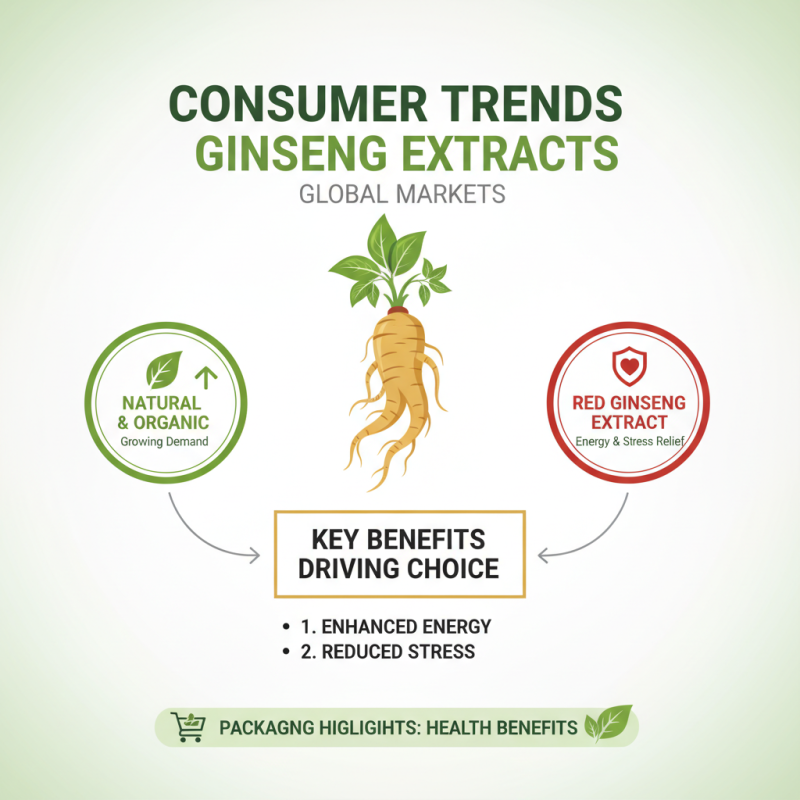
Consumer preferences for ginseng extracts have evolved dramatically in recent years. Markets are seeing a shift towards natural and organic options. Red Ginseng Extract is particularly noted for its potential health benefits. Consumers are increasingly drawn to its claimed ability to improve energy and reduce stress. Packaging often highlights these benefits prominently.
People are now seeking products with recognizable sources. They prefer ginseng extracts that are ethically sourced and sustainably produced. Transparency in ingredient sourcing is crucial. Many buyers want to know the origins of their Red Ginseng Extract. This level of detail builds trust between consumers and brands.
Social media plays a significant role in influencing buyer decisions. Testimonials and user experiences help shape perceptions. However, misinformation can create confusion. Some consumers struggle to differentiate between genuine products and those lacking efficacy. This landscape invites reflection on the need for reliable information and informed choices.
Ginseng extracts have gained recognition for their numerous health benefits. Recent studies indicate they can enhance physical endurance and support mental clarity. One prominent variety is Siberian Ginseng Extract. It is known for its potential to boost the immune system, helping the body combat stress and fatigue.
Research shows that ginseng can improve overall well-being. People consuming ginseng often report increased energy levels. However, results can vary among individuals. Some may not experience significant changes, leading to a valid questioning of their expectations.
Siberian Ginseng Extract may also promote better cognitive function. Studies suggest it could help with memory and focus. Still, more research is needed to fully understand its effects. Not everyone might feel the benefits right away. This underscores the importance of a balanced approach to health and wellness.
: Look for third-party testing and certifications to ensure quality and safety.
Transparency builds trust and helps consumers know where their products come from.
Some extracts improve energy, while others may enhance focus. Understanding your needs is vital.
Yes, smaller companies may offer unique formulations and prioritize sustainability in their practices.
Social media influences buyer decisions, providing testimonials and experiences, but also creates potential for confusion.
Seek products that highlight ethical sourcing and transparent production practices to avoid misinformation.
A shift toward natural and organic options is becoming popular among consumers.
Yes, it is claimed to improve energy levels and reduce stress, making it appealing to many consumers.
Smaller brands often focus more on ethical practices and unique formulations that reflect sustainable values.
Ethical and sustainable sourcing is increasingly influencing choices as consumers become more conscious of their purchases.
In 2026, selecting the best Ginseng Extract involves several critical factors, including the variety of ginseng and its quality. Buyers should be aware of the different top ginseng varieties available in the global market, as well as how to evaluate the quality of the extracts they consider. Understanding consumer trends can also provide insights into popular preferences for ginseng extracts, highlighting the shifting demands in various markets.
Moreover, sourcing ginseng ethically and sustainably is increasingly becoming essential for consumers and suppliers alike. Recent research further supports the health benefits associated with Ginseng Extract, making it a sought-after supplement. As the market evolves, focusing on these aspects will aid buyers in making informed decisions while promoting sustainability in ginseng production.