
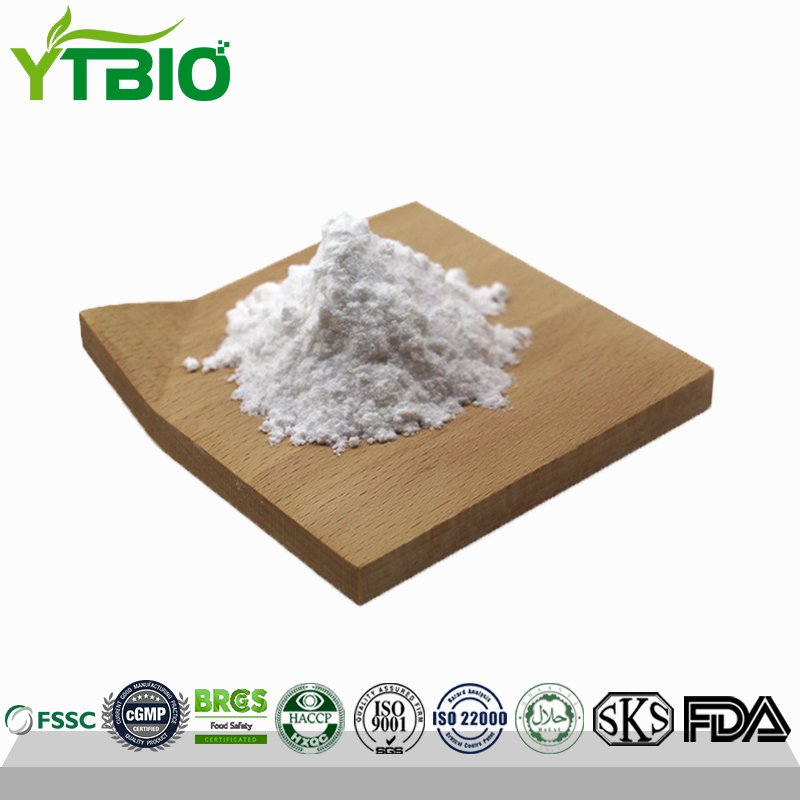
Compound Amino Acids Powder
What are Compound Amino Acids?
Compound Amino Acids are complexes composed of two or more amino acids, mixed in specific proportions for specific purposes. They are not a single compound, but rather a carefully designed "combination solution." They are essential chemical substances for human life, with physiological functions such as promoting protein synthesis, regulating endocrine function, enhancing immunity, and protecting organ function. They can be used to alleviate fatigue and improve liver function, meeting the needs of health product formulations more efficiently and precisely than single amino acids.
Based on their raw material source, they can be categorized as plant-based and animal-based. Plant-based amino acids are derived from high-protein plants through biochemical extraction, while animal-based amino acids are produced through microbial fermentation or hydrolysis of animal protein. These substances can also be used in agriculture and aquaculture as foliar fertilizers or feed additives to balance nutritional needs, enhance absorption efficiency, improve the palatability of aquatic feed, and promote microbial fermentation.
The most common main components of complex amino acids are: 18 kinds of amino acids including glycine, alanine, leucine, isoleucine, valine, cystine, cysteine, methionine, threonine, serine, phenylalanine, tyrosine, tryptophan, proline, hydroxyproline, glutamic acid, and aspartic acid.
Differences from Single Amino Acids
|
Characteristics |
Compound Amino Acids |
Single Amino Acid |
|
Ingredients |
Combination of multiple amino acids |
Contains only one amino acid |
|
Function |
Comprehensive functions with synergistic effects |
Single, specific function |
|
Application |
Directly used as a core functional ingredient in end products |
More commonly used as a base ingredient or formulation component |
|
Customization Capabilities |
High. The formulation ratio, form, and combination can be flexibly customized to meet specific customer product requirements |
Lower.Product standards are standardized, but typically only a limited selection of purity and physical forms (e.g., powder mesh size) is available. |
Functions of Compound Amino Acids
Different combinations and proportions of ingredients result in different health benefits.
For the Human Body
Amino acids are essential substances for the body's vital functions. Their physiological functions include promoting protein synthesis, collagen production, and growth hormone secretion, protecting liver function, preventing liver damage after alcohol consumption, beautifying the skin, alleviating fatigue, enhancing appetite, boosting the body's immune system, promoting recovery from illness and childbirth, regulating endocrine function, increasing brain function, and relieving fatigue.
1. Enhances the body's immune system and improves nutrient absorption.
2. Relieves various adverse symptoms caused by mental fatigue and sleep deprivation in those who work with mental abilities.
3. Improves liver, kidney, and gastrointestinal function.
4. Promotes children's intellectual development and enhances memory.
For Plants and Animals
1. Compound Amino Acids Provide more comprehensive nutrition for plants and can be used as a foliar fertilizer, concentrated fertilizer, and liquid fertilizer.
2. Replenishes the most effective 20% of nutrients lost during fish meal processing, or supplements the amino acids lacking in fish meal processed from incomplete fish. Contains a variety of essential amino acids essential to animals, replenishing essential amino acids, particularly those often deficient in conventional feed ingredients and plant feeds. Utilizing the balanced "barrel effect," it enhances the effectiveness of other nutrients.
3. After microbial fermentation, the various nutrients are ionized and completely soluble in water, making them easily absorbed and utilized by aquatic animals. It can replace fish meal as a nutritional supplement, ensuring rapid growth and significantly reducing costs for specialty aquatic products.
4. After a special spray-drying process, it achieves a large volume and lightweight, weighing only half as much as ordinary feed. It is particularly suitable for producing extruded aquatic feed, fish, shrimp, and marine fish starter feed.
5. Rich in cystine, tyrosine, and serine, it promotes the growth of fur in livestock and poultry, making the skin of pigs rosy and their fur shiny. It also enhances the color of the fur and combs and feet of yellow chickens.
6. It enhances flavor and freshness, stimulating animal appetite. Its high glutamate content modifies taste and stimulates appetite. It can replace betaine in aquatic feed to increase its palatability.
7. When added to fermented soybean meal or fermented feed, it helps balance microbial nutritional needs, promotes microbial growth and reproduction, and ensures faster, better, and more thorough fermentation.
8. It has a certain binding capacity, preventing nutrient loss in feed and enhancing pellet formation.
Common Applications of Compound Amino Acids
Sports Nutrition: Used in protein powders, sports drinks, recovery supplements, and more to support muscle synthesis and recovery.
Health Foods: Used in oral solutions, tablets, and capsules to support immunity, sleep, and overall health.
Cosmetics: Used in skincare and haircare products to provide moisturizing and repairing benefits.
Animal Nutrition: Used in pet food, aquaculture feed, and livestock feed to promote healthy growth.

FAQ
Q: What are the core features of YTBIO's compound amino acid products?
A: We offer highly customizable compound amino acid formulations, using scientifically optimized combinations of various essential and non-essential amino acids. The products boast excellent bioavailability and compatibility, and the amino acid composition ratio can be adjusted to meet specific customer application needs.
Q: What are the main amino acid components of this product?
A: Our compound amino acids contain a complete amino acid profile:
8 essential amino acids (lysine, tryptophan, phenylalanine, etc.)
12 non-essential amino acids (glutamine, arginine, alanine, etc.)
Special functional amino acids (taurine, citrulline, etc.)
Specific formulations can be customized according to the application area.
