
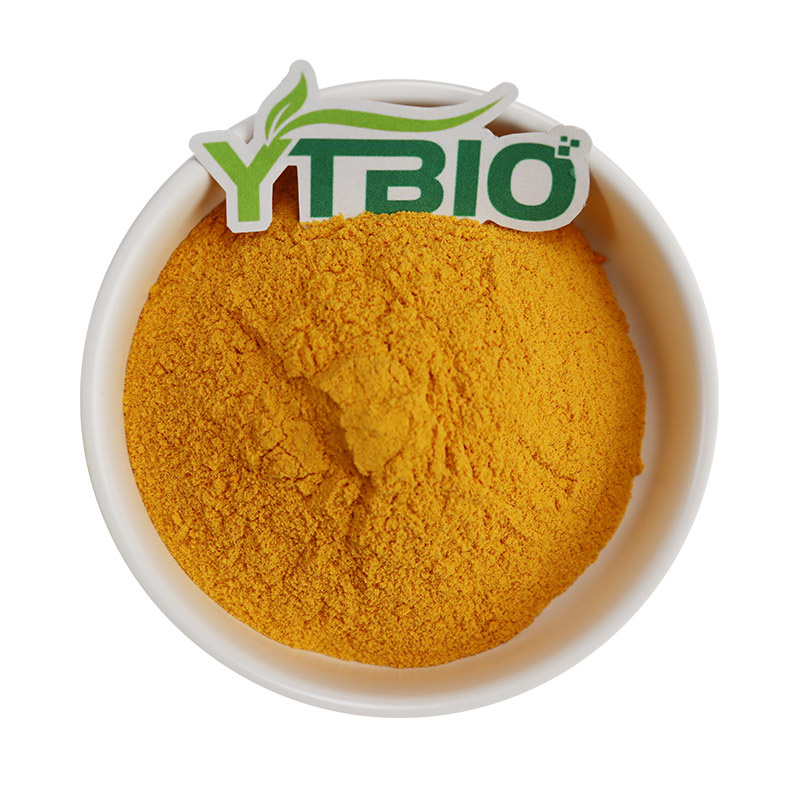
From Artificial to Natural Food Coloring: Why is Gardenia Yellow a Safer Choice?
In the food industry, product color not only shapes consumers' intuitive perception of quality but also directly impacts their psychological assessment of safety. With the deepening of the global "Clean Label" movement, the food industry is undergoing a strategic transformation from synthetic colorants to naturally derived ingredients. In this process, gardenia yellow, a plant pigment derived from gardenia fruit, has become a key choice for food formulation upgrades due to its recognized safety profile and practical properties.
New Trend: Natural Coloring is Becoming the Mainstream Choice
For decades, synthetic colorants dominated the food industry due to their economic efficiency and excellent stability. However, as public awareness of food ingredient transparency and health implications has increased, concerns about the safety of some synthetic colorants have continued to grow. This is particularly evident in categories such as children's food, snacks, and everyday beverages, where consumer acceptance of products containing artificial synthetic colorants has significantly declined.
This shift in consumer awareness is driving food manufacturers to accelerate the search for coloring alternatives with more natural ingredients and simpler labeling. The natural coloring market is therefore experiencing structural growth opportunities, and Gardenia Yellow is at the forefront of this trend.
Plant Source and Composition Characteristics
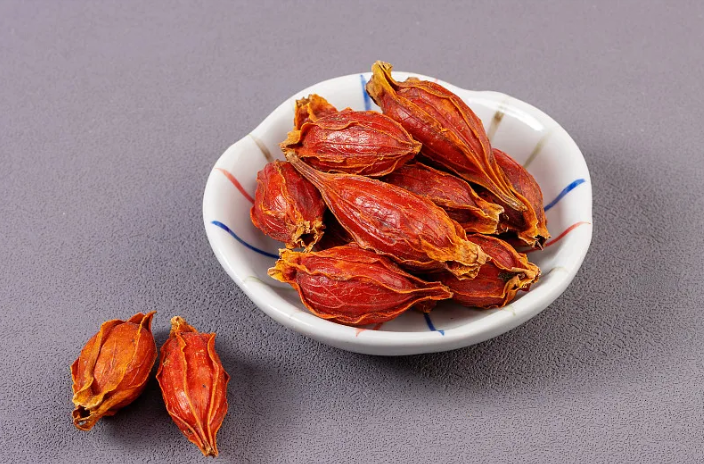
Gardenia Yellow is extracted from the mature fruit of the gardenia (Gardenia jasminoides Ellis), a plant in the Rubiaceae family. Its core coloring substance is crocin and its derivatives. These natural compounds can impart bright, stable yellow to orange-yellow hues to food, making them widely used in beverages, baked goods, confectionery, and modern plant-based products.
The main characteristics of Gardenia Yellow include:
Bright color and strong coloring power
Good water solubility, suitable for various food systems
Relatively excellent stability among natural colorings
Suitable for conventional foods and specific fortified products
These properties give it significant competitiveness in the natural coloring agent category.
Safety Comparison of Gardenia Yellow and Synthetic Colorings
1. Source Nature: Plant Extraction vs. Chemical Synthesis
Gardenia Yellow is derived from natural plant fruits and is obtained through physical or biological extraction and purification methods.
Common synthetic colorings are mostly compounds artificially synthesized through specific chemical reactions.
The natural origin of gardenia yellow aligns better with current consumer demands for "clean and identifiable" ingredient lists.
2. Safety Studies
Gardenia yellow has been approved for use as a food coloring agent in several major markets, including China, the EU, and Japan, with clearly defined limits. Existing toxicological studies have shown that its main component, crocin, has a clear metabolic pathway in vivo, and no risk of bioaccumulation has been observed.
Some synthetic colorants, due to potential health concerns (such as intolerance reactions in sensitive populations), face stricter usage restrictions or labeling requirements in certain regions and markets.
3. Population Tolerability
Based on its plant origin and long-term consumption history, gardenia yellow has demonstrated good tolerability in the general population, with no widespread reports of sensitization.
Some synthetic colorants, especially certain azo dyes, have been observed in some clinical observations to potentially be associated with allergic-like reactions or behavioral sensitivities in specific populations, prompting companies to favor natural alternatives in products targeting specific groups such as children and pregnant women.
Why is gardenia yellow considered a safer option?
Based on existing scientific literature, regulatory guidance, and market practice, the safety advantages of Gardenia Yellow can be summarized as follows:
Metabolic Friendliness: Its active ingredients have a clear metabolic pathway, making them easily broken down and excreted by the body, reducing the potential risks of long-term consumption.
Historical Consumption and Regulatory Endorsement: Gardenia fruit itself has a history of being used both as food and medicine, providing traditional empirical support for its safety. Furthermore, its modern standardized extracts have passed rigorous contemporary food safety assessments.
Controllable Formulation Reduces Risk: Compared to many natural pigments that are easily affected by light, heat, and pH, Gardenia Yellow remains relatively stable under common food processing conditions, reducing the possibility of forced "over-addition" due to color fading, thus better controlling the actual usage within safe limits.
Consumer Trends Strengthen Value Recognition: "No artificial colors" and "clean label" have become key factors influencing purchasing decisions. Using Gardenia Yellow can directly help brands gain consumer trust.
Main Application Areas
With its excellent coloring properties and stability, Gardenia Yellow has been successfully applied in the following food categories:
Beverages: Fruit juices, flavored waters, functional drinks, and plant-based milks.
Baking and Pastry: Such as cakes, cookies, fillings, and decorative frostings.
Confectionery and Snacks: Such as gummies, jellies, potato chips, and extruded puffed foods.
Nutritional Supplements: Such as compressed candies, solid beverages, and protein powders.
Its vibrant color effectively enhances the visual appeal of products while meeting the stringent requirements of formulations for natural sources.

In the irreversible trend of the food industry towards ingredient transparency and natural sourcing, Gardenia Yellow, with its solid safety foundation, reliable application performance, and broad regulatory approval, is becoming a crucial strategic ingredient for brands to replace synthetic pigments and upgrade their products.
YTBIO is committed to providing food-grade Gardenia Yellow pigment raw materials that meet high quality standards, ensuring a stable supply, and offering professional technical application support and customized formulation services. For detailed product specifications, application references, or to request samples, please contact us at sales@sxytbio.com
References
Tang, X., Li, X., Zhang, W., & Chen, Y. (2020). Acute and subchronic oral toxicity study of Gardenia Yellow E500 in Sprague–Dawley rats. International Journal of Environmental Research and Public Health, 17(1).
Ozaki, A., Kitano, M., Furusawa, N., & Ueda, T. (2002). Genotoxicity of gardenia yellow and its components. Mutation Research/Genetic Toxicology and Environmental Mutagenesis, 519(1–2), 47–56.
Li, N., et al. (2020). Stability assessment of crocetin and its derivatives from Gardenia yellow under different processing conditions. Food Chemistry.
Zhou, Y., et al. (2021). Determination of crocetin and its derivatives in Gardenia yellow by HPLC–MS/MS. Journal of Food Composition and Analysis.