
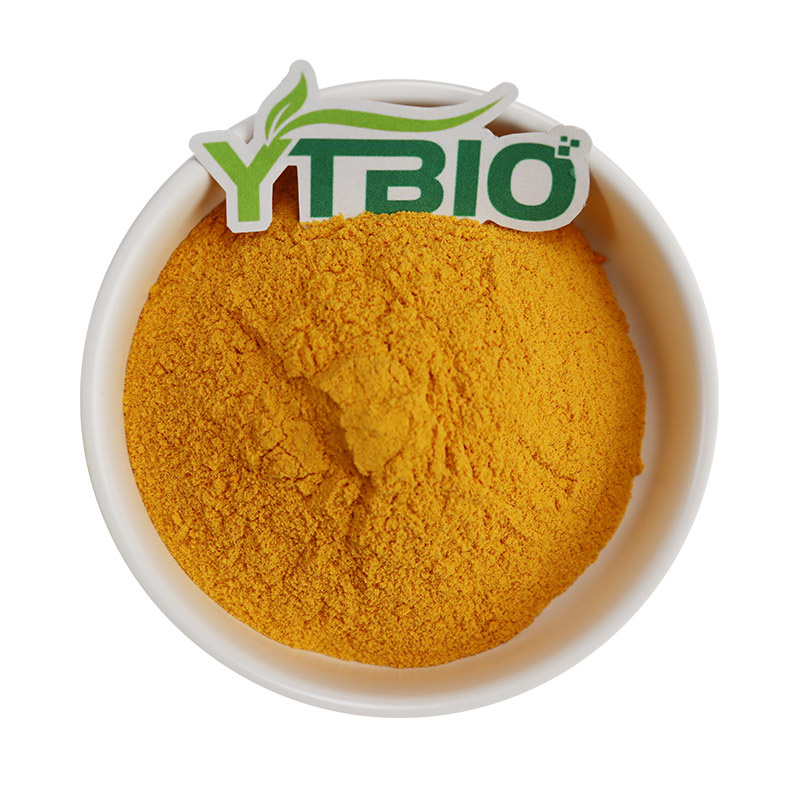
Unlocking the Value of Rosmarinic Acid: The Premier Botanical Antioxidant Ingredient
Nature harbors a secret—an antioxidant with activity even more potent than that of vitamins: Rosmarinic Acid. This water-soluble natural polyphenol—extracted from herbaceous plants of the Lamiaceae family, such as rosemary, perilla, and thyme—boasts antioxidant activity several times greater than that of Vitamin E. Furthermore, it offers a multifaceted array of benefits, including anti-inflammatory, antibacterial, and antiviral properties, establishing it as a star ingredient in the realm of natural antioxidants. Thanks to its inherent safety, high efficacy, stability, and excellent water solubility, Rosmarinic Acid is now being widely utilized across sectors ranging from high-end skincare and functional foods to natural preservation. By incorporating Rosmarinic Acid, manufacturers can leverage its powerful antioxidant capabilities to align with consumer demand for natural, safe, and functional ingredients—thereby forging a unique competitive edge for their products and highlighting their exclusive selling points.
I.Rosmarinic Acid Production Process
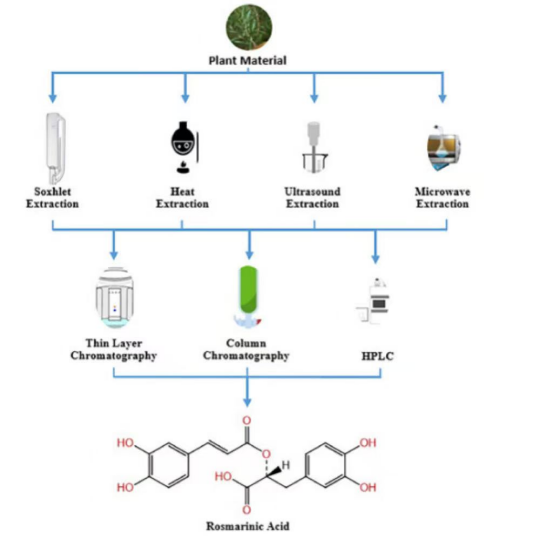
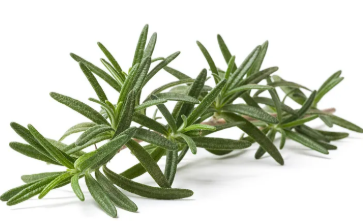
Rosmarinic acid is a naturally occurring organic compound that was originally extracted from rosemary, hence its name. It is insoluble in water but readily soluble in ethanol and acetone. Rosmarinic acid is found in numerous plants—such as rosemary, mint, and sage—and possesses a refreshing aroma and flavor.
II. What are the benefits of rosmarinic acid?
Antioxidant Properties
Rosmarinic acid's most remarkable attribute is its exceptional antioxidant capacity. Studies indicate that its antioxidant potency far exceeds that of Vitamin E—ranking at nearly five times the strength of the synthetic antioxidant BHT. This signifies that it can more effectively neutralize free radicals and counteract oxidative stress. Furthermore, it significantly inhibits the production of key pro-inflammatory cytokines—such as Interleukin-6 (IL-6) and Tumor Necrosis Factor-alpha (TNF-α)—thereby alleviating skin inflammation.

Neuroprotection
In experimental models of neurodegenerative disorders—including Alzheimer's disease and Parkinson's disease—rosmarinic acid has demonstrated distinct protective effects. Its mechanisms of action include: inhibiting the aggregation and toxicity of beta-amyloid proteins, shielding neurons from oxidative stress-induced damage, and mitigating neuroinflammation within the brain.

Inhibition of Tyrosinase Activity
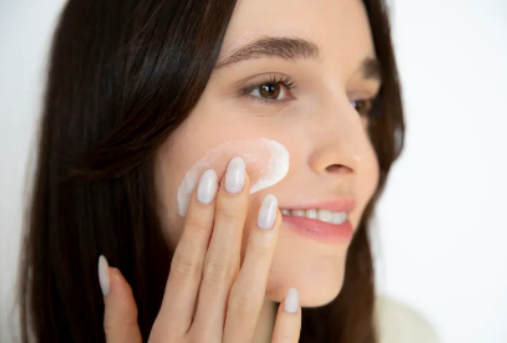
Tyrosinase is a pivotal enzyme in the process of melanin synthesis; by inhibiting its activity, rosmarinic acid effectively blocks the production and deposition of melanin, thereby helping to diminish dark spots and brighten skin tone.
Cardiovascular, Cerebrovascular, and Metabolic Health
Rosmarinic acid exhibits protective effects on the cardiovascular system. In models of diabetes, it aids in improving glucose metabolism and demonstrates a protective effect against kidney damage induced by the disease.

Ⅲ.Rosmarinic acid is applied in...
| Concise Table of Core Application Fields of Rosmarinic Acid | |
| Application Field | Typical Products/Scenarios |
| Pharmaceutical Field | Anti-inflammatory drugs, antiviral auxiliary preparations, neuroprotective drugs, cardiovascular and cerebrovascular health care drugs, liver protection tablets |
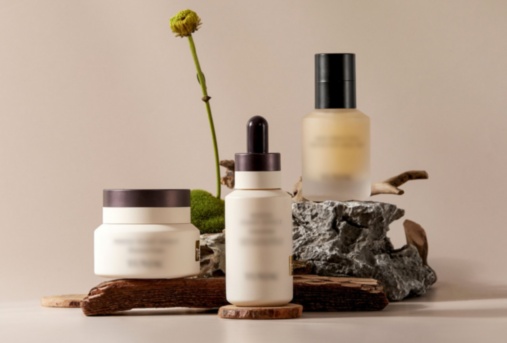
| Cosmetics and Skincare Field | Anti-aging serums, whitening creams, sensitive skin repair lotions, sunscreen products, after-sun repair masks |
| Food Industry | Antioxidants for oils/meat products/baked goods, preservatives for beverages/condiments, health tea drinks, energy drinks |
| Health Products and Dietary Supplements | Antioxidant capsules, joint care formulas, brain health supplements, blood sugar and lipid regulation products, probiotic complex formulas |
| Agriculture and Animal Husbandry | Antibiotic-free feed for livestock and poultry, post-harvest preservatives for fruits and vegetables, water quality improvers for aquaculture, anti-stress products |
| Other Applications | Functional toothpastes, mouthwashes, pet nutritional supplements, pet skin care products |
 |  |  |
Ⅳ.What exactly are the advantages of rosmarinic acid compared to other antioxidants?
Potent Antioxidant Activity: Far surpasses VC, VE, and synthetic BHT; efficiently scavenges free radicals and inhibits lipid rancidity.
Dual Water-Oil Solubility: Amphiphilic nature ensures compatibility with a wide variety of formulations, broadening its scope of application.
High Thermal Stability: Resists degradation during high-temperature processing, making it ideal for use in baking, sterilization, and thermal processing applications.
Multifunctional: Combines multiple benefits in one—offering antioxidant, anti-inflammatory, antimicrobial, and soothing-repairing properties.
Natural and Safe: Plant-derived, non-toxic, and non-irritating; suitable for use in food, skincare, and dietary supplements.
Long-Lasting Efficacy: Highly stable and resistant to deactivation, ensuring prolonged preservation, color protection, anti-aging effects, and overall product stability.
Ⅴ.What key factors should be considered when purchasing rosmarinic acid?
Content & Purity
Prioritize verification of active ingredient levels to select the product best suited to specific requirements.
Extraction Source
Preferentially sourced from young rosemary leaves; characterized by low impurity levels and high biological activity.
Appearance & Color
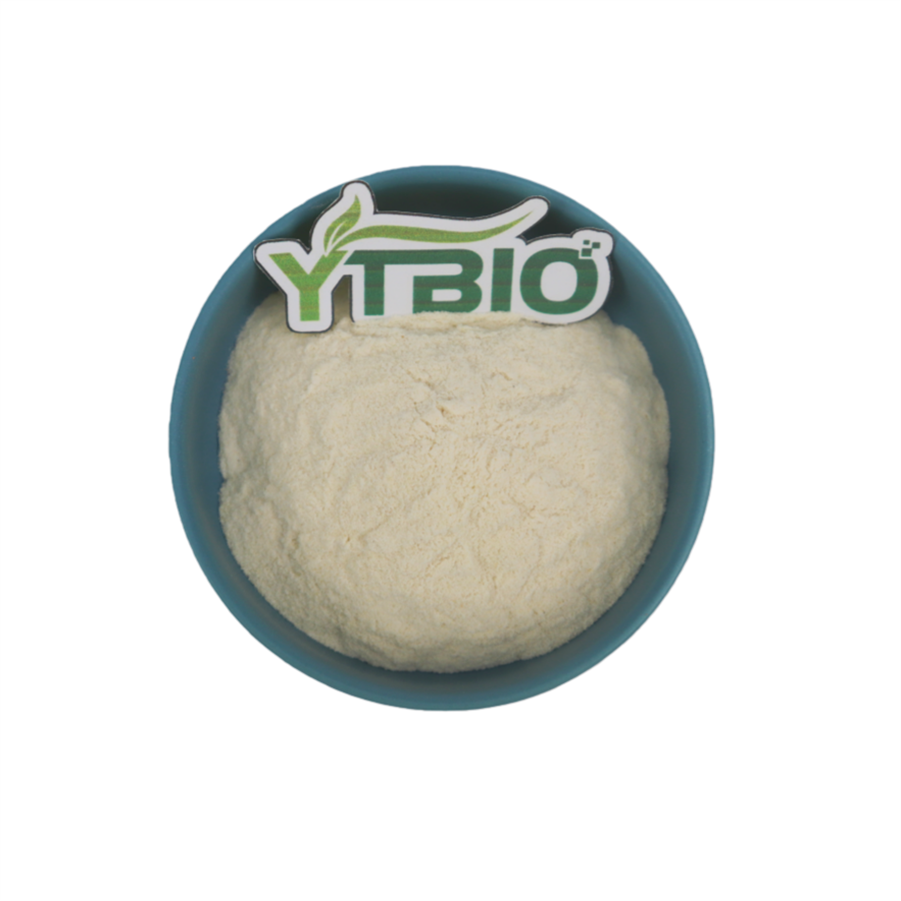
High-quality products present as a pale yellow to off-white powder.
Solubility
Verified solubility in both water and oil, ensuring compatibility with aqueous solutions, creams, lotions, and oil-based formulations.
Thermal Stability
Empirically tested for high-temperature resistance and weatherability; remains stable without discoloration or loss of efficacy during thermal processing.
Odor & Taste
Features minimal off-odors and is free from bitter or harsh aftertastes, making it suitable for use in foods, beverages, and oral dietary supplements.
Analytical Testing
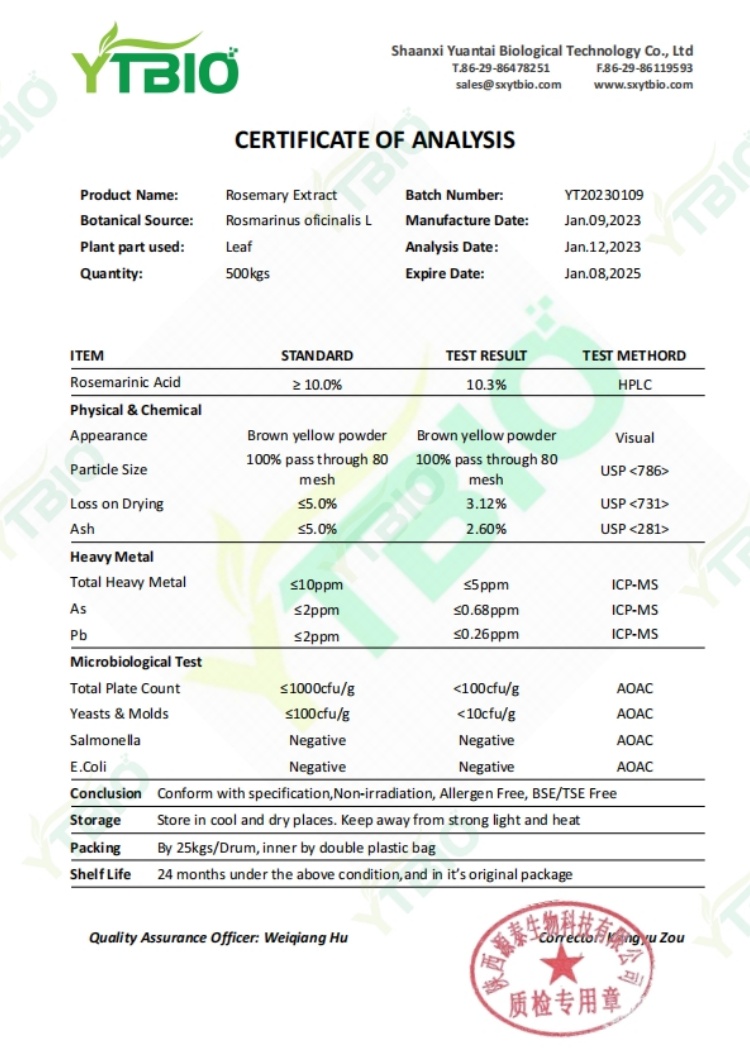
Complies with regulatory standards for heavy metals, pesticide residues, microbial limits, and residual solvents; accompanied by a comprehensive Quality Inspection Report.
Storage Stability
Ⅵ.Does Rosmarinic Acid support OEM/ODM customization projects?
Rosmarinic Acid fully supports OEM/ODM services, offering end-to-end customization—from raw materials to finished products—making it ideal for private-label manufacturing across various sectors, including food, skincare, and dietary supplements.
Ⅶ.Industry Development Trends for Rosmarinic Acid:
Currently, rosmarinic acid has begun to find application in the food industry, as well as in the fields of dietary supplements and pharmaceuticals. Within the food industry, rosemary extract—which is rich in rosmarinic acid—is already being utilized as a natural antioxidant in products such as edible oils and meat products. In the realms of dietary supplements and pharmaceuticals, preliminary clinical trials have begun to explore the potential of rosmarinic acid supplements in areas such as alleviating mild cognitive impairment and managing osteoarthritis-related pain. Although related research and development efforts remain ongoing, the prospects for its application within the functional food and pharmaceutical sectors are extensive.
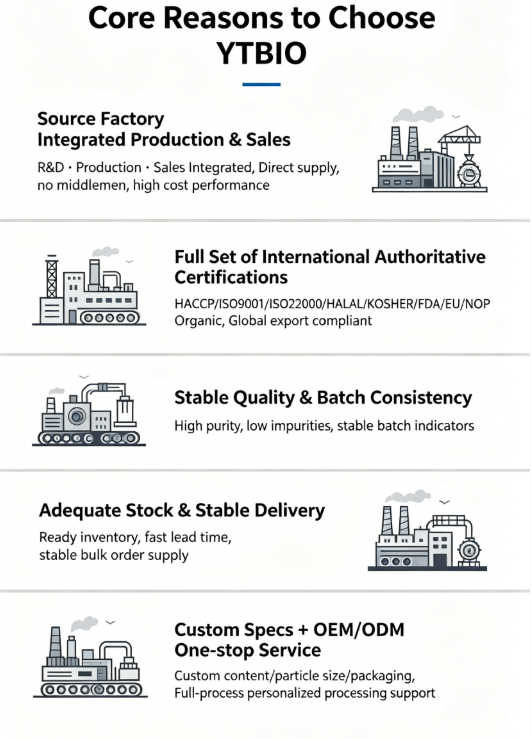
Why choose Ytbio products?
Email: sales@sxytbio.com
WhatsApp/phone: +86 17782577059